
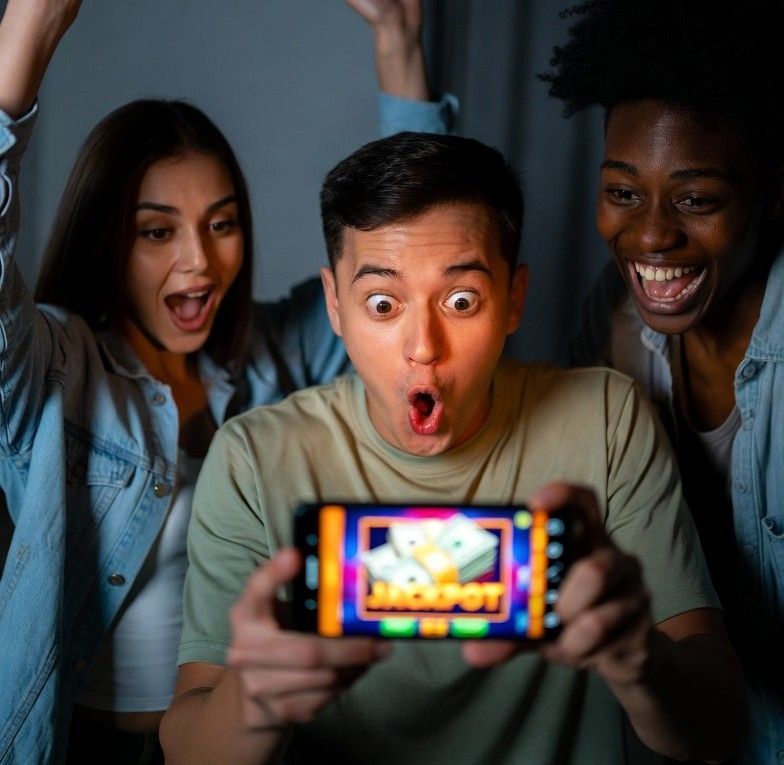
Variable rewards are one of the most powerful behavioral triggers ever studied. Psychologists have known this for decades. According to research discussed by the American Psychological Association, unpredictable rewards activate the brain’s dopamine system, the same pathway involved in motivation and learning. That simple principle explains a lot about jackpot slot games. When the possibility of a big win floats just out of reach, curiosity takes over. Players lean forward, spin again, and tell themselves the next one might be it.
Plenty of people discover this effect through mobile slot games, which have made jackpot play portable and constant. One quick spin while waiting for coffee turns into ten. Then twenty. These platforms often highlight jackpot counters, flashing animations, and celebratory sound effects. Those design choices are not random decoration. They are cues built to trigger anticipation and keep players emotionally engaged.
Gamification and the Pull of Social Validation
Slot games used to be lonely machines in the corner of a casino floor. That has changed. Modern versions borrow tricks from video games and social networks. Leaderboards, achievements, and shareable wins are common. Researchers and industry analysts have pointed out that these playful design elements can blur the line between entertainment and wagering, which explains why casual-style betting apps are hard to recognize as gambling.
Bright icons, progress bars, and cheerful animations make the experience feel more like a casual mobile game than a financial risk, even though real money may still be involved. When someone hits a bonus round, the game may encourage them to post the moment or compare progress with friends.
Humans are wired for social feedback. A simple notification saying someone else hit a big payout can spark curiosity. People think, “If they can do it, maybe I can too.” That tiny spark is powerful. It turns gambling into a shared experience instead of a private one.
Developers lean into that dynamic through gamification. Levels unlock new themes, missions reward streaks, and daily bonuses encourage players to return. The process feels familiar because it mirrors mechanics used in popular video games. The brain recognizes progress markers and responds with satisfaction.
There is even humor in the ritual. Many players jokingly say they have a “lucky time” of day. Others swear by tapping the spin button a certain way. Rationally, everyone knows the machine runs on random number generators. Emotionally, those little habits feel meaningful.
Probability Cues and Decision Making
Another reason jackpot slots hold attention comes from how people interpret probability. Research by behavioral economist Daniel Kahneman shows that humans tend to overweight small chances when the reward is large. In plain language, we imagine the big win more vividly than the odds against it.
Slot games amplify that mental shortcut through visual signals. Near wins, flashing reels, and bonus symbols appearing just one spot away create the feeling that success was close. Technically, each spin is independent. The system does not “remember” previous results. Still, players often feel the machine is warming up.
Those cues shape decisions. Someone who sees two jackpot icons land might believe the third is due soon. That belief encourages another spin. Then another. Designers understand this psychology very well. The balance between wins and almost wins is carefully tuned to keep excitement alive.
Players who enjoy mobile slots often describe a rhythm to the experience. Quick spins build momentum. Bonus rounds break the pattern and spike adrenaline. Then the cycle starts again.
Community Engagement and Shared Excitement
Community features have quietly transformed jackpot gaming. Forums, chat rooms, and social feeds allow players to celebrate wins together. Stories travel fast. Someone posts a screenshot of a jackpot, and suddenly dozens of people are discussing strategy, luck, or timing.
That sense of community matters more than many people expect. Social psychologists often point out that shared experiences strengthen emotional memory. A solo win feels good. A win that friends witness feels even better.
Game developers have noticed this pattern. Some platforms display global jackpot announcements across the player base. Others highlight top winners of the week. The result is a digital crowd effect. Everyone sees the same big moment unfold.
Interestingly, conversations around these games can become oddly personal. Players swap stories about the first time they hit a bonus round or the time a tiny bet turned into a surprise payout. A little storytelling builds belonging. It makes the activity feel like a hobby instead of a gamble.
Why the Attraction Persists
Jackpot slot games combine several psychological ingredients at once. Unpredictable rewards trigger excitement. Gamified features encourage progress. Social interaction adds validation. Each piece alone might capture attention for a while. Together they create a loop that is difficult to ignore.
That loop explains why people continue exploring digital slot experiences on their phones and tablets. The technology keeps improving, graphics grow more elaborate, and community features keep players connected. What started as simple casino machines has evolved into a social entertainment system.
The takeaway is not mysterious. Humans love anticipation. We love stories of sudden success. And when a bright screen promises that the next spin might deliver the jackpot, curiosity tends to win. Whether through traditional casinos or modern slot apps on phones, that psychological pull remains remarkably strong.
Understanding these motivations helps explain why players keep returning. The excitement, the shared celebration, and the chance, however small, of a life-changing moment keep the reels spinning.