
More than half of mobile gamblers say their first real-money bet came through an app that looked like a game, according to consumer behavior studies on digital gambling habits. Bright icons, simple taps, and playful rewards blur the line between entertainment and financial risk from the very first screen.
Many betting platforms now resemble casual mobile games so closely that users barely register they are gambling. During account setup or a mzplay login, players are often greeted with spinning wheels, progress bars, and cheerful animations. These elements feel familiar because they mirror puzzle games and arcade apps. The experience feels light, fast, and harmless, even though real money is already involved.
Why gambling no longer looks like gambling
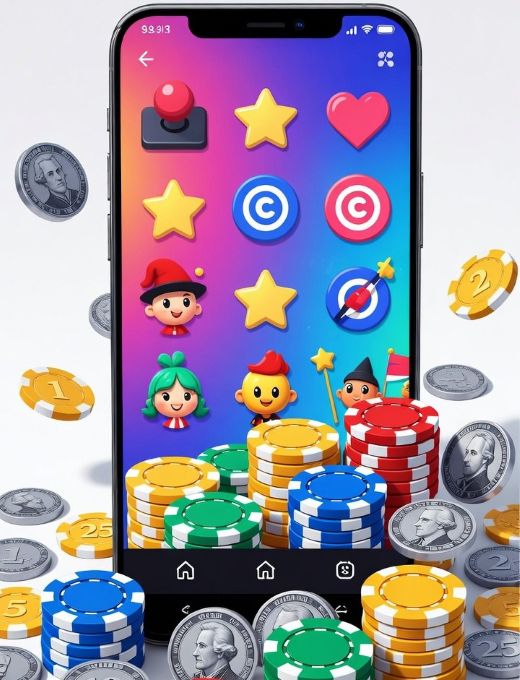
Casual-style betting apps succeed because they feel familiar, friendly, and fun. That design masks the financial reality underneath.
Traditional gambling environments were easy to identify. Casinos had card tables, chips, and visible odds. Sports betting involved slips and careful choices. Casual-style betting apps strip away these signals. Instead of odds and risk warnings, players see levels, streaks, and daily bonuses.
This shift is intentional. Designers borrow mechanics from successful mobile games like Candy Crush or Coin Master. Spins replace bets. Coins replace cash. Losses are framed as “near wins” or chances to try again. The result is an activity that feels like play, even when money is disappearing.
Gamification lowers mental defenses
Gamification works because it reduces friction. A single tap can place a wager. Results arrive instantly. Rewards appear often, even when wins are small or temporary. These systems encourage quick decisions rather than thoughtful ones.
Psychologists note that levels and progress meters create a sense of achievement unrelated to actual profit. A player may feel successful for unlocking a new tier while losing money overall. The brain focuses on completion and reward loops, not on balance sheets.
The role of constant rewards
Daily login bonuses, free spins, and streak rewards keep users returning. These incentives are common in free-to-play games, where time is the currency. In betting apps, money is the currency, but the structure feels the same. Missing a day feels like missing out, even if playing carries risk.
When money feels abstract
Another reason these apps are hard to recognize as gambling is how they handle money. Cash is converted into tokens, gems, or credits. This extra step creates psychological distance. Spending tokens feels less serious than spending dollars or euros.
Over time, players may stop tracking how much they deposit. Small losses blend together. Quick wins create excitement without long-term gain. Platforms that promote features similar to mzplay login experiences often rely on this abstraction to keep play sessions going longer.
Familiar design builds trust
Casual visuals signal safety. Soft colors, friendly characters, and smooth animations suggest a low-risk environment. This design language is borrowed from children’s games and lifestyle apps. It creates comfort and reduces skepticism.
When an app looks polished and playful, users are less likely to question fairness, odds, or withdrawal rules. The interface does the reassuring, even when the underlying mechanics are complex or aggressive.
Regulation struggles to keep up
Lawmakers and regulators often focus on odds disclosure and age limits. Gamified design falls into a gray area. An app can meet technical legal standards while still encouraging risky behavior through its presentation.
Some countries now debate whether certain mechanics should be restricted, especially those that mimic video games closely. The challenge is defining where entertainment ends and gambling begins when the two share the same visual language.
READ ALSO: Beyond the Spin – What Norway’s Welcome Bonuses Truly Offer Players
Learning to spot the difference
For users, awareness is the first defense. Any app that involves deposits, withdrawals, or chance-based outcomes tied to money is gambling, regardless of how playful it looks. Levels and rewards do not change the math behind the bets.
Understanding how design influences behavior helps players make clearer choices. A game costs time. A gamble costs money. When the two feel the same, the risk becomes harder to see.
Conclusion
Casual-style betting apps succeed because they feel familiar, friendly, and fun. That design masks the financial reality underneath. Whether entering through a mzplay login or spinning a colorful wheel, players are still wagering real money. Recognizing the game-like disguise is key to understanding the true cost of play.