
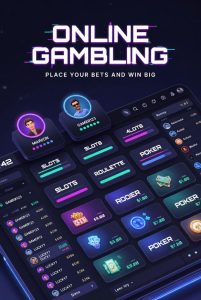
 Digital entertainment habits have changed faster in the past decade than in the previous fifty years. Players now expect color, motion, and feedback from every screen they touch. That expectation has reshaped online gambling platforms, pushing them far beyond static cards and spinning reels.
Many modern platforms no longer resemble the classic casino floor people remember from movies. Instead, they look closer to mobile games, complete with animated characters, progress bars, and interactive menus. This visual and structural shift reflects a deeper change in what players want from gambling experiences.
From Simple Bets to Full Experiences
Traditional online gambling focused on fast outcomes. You placed a bet, watched the result, and moved on. Today’s users often want more time inside an experience. Developers respond by adding story elements, themed worlds, and missions that unfold as players continue.
These features keep sessions feeling fresh. A slot game might introduce chapters or unlock new environments. Table-style games can include seasonal events or limited challenges. The result feels less repetitive and more like a journey than a series of isolated wagers.
Game Mechanics Drive Engagement
Levels, achievements, and daily rewards are now common features. These mechanics come directly from video games and mobile apps. They give players short-term goals and a sense of progress, even when outcomes depend on chance.
Leaderboards add another layer. Friendly competition encourages longer engagement without relying on higher stakes. Players compare scores, unlock badges, or reach milestones that signal experience rather than spending. This approach appeals to users who value skill-like progression, even in luck-based formats.
Avatars and Personal Identity
Customization has become a key design element. Avatars, profile frames, and virtual items let users express identity. This personal touch helps platforms feel social rather than transactional.
When players invest time shaping a digital persona, they tend to stay longer. The environment feels familiar and personal. That emotional connection mirrors what online games have done for years, and gambling platforms are clearly learning from that model.
Hybrid Games Blur Old Categories
The line between gambling and gaming continues to blur. Some titles mix skill-based challenges with randomized rewards. Others introduce puzzles or timed actions that affect bonuses rather than core outcomes.
This hybrid approach broadens appeal. Players who might feel bored by classic formats find something closer to games they already enjoy. It also opens space for creativity, where developers experiment with mechanics that feel fresh while staying within regulatory boundaries.
Technology Shapes the Future
Improved graphics engines, faster internet, and mobile-first design make these changes possible. Smooth animations and instant feedback are now expected, not optional. Platforms that feel slow or outdated struggle to keep attention.
Social features will likely expand next. Shared events, cooperative challenges, and spectator modes are already appearing. These tools turn solitary play into shared experiences, echoing trends seen across online entertainment.
READ ALSO: The Future of Interactive Betting Experiences
What This Shift Really Means
The evolution of the modern casino experience shows a clear direction. Gambling platforms are becoming entertainment hubs rather than simple betting tools. They borrow from games, social media, and apps to meet rising expectations.
As this trend continues, players can expect more immersive design, deeper interaction, and experiences that reward time and curiosity. The future casino will feel less like a virtual table and more like a living digital world built for engagement.